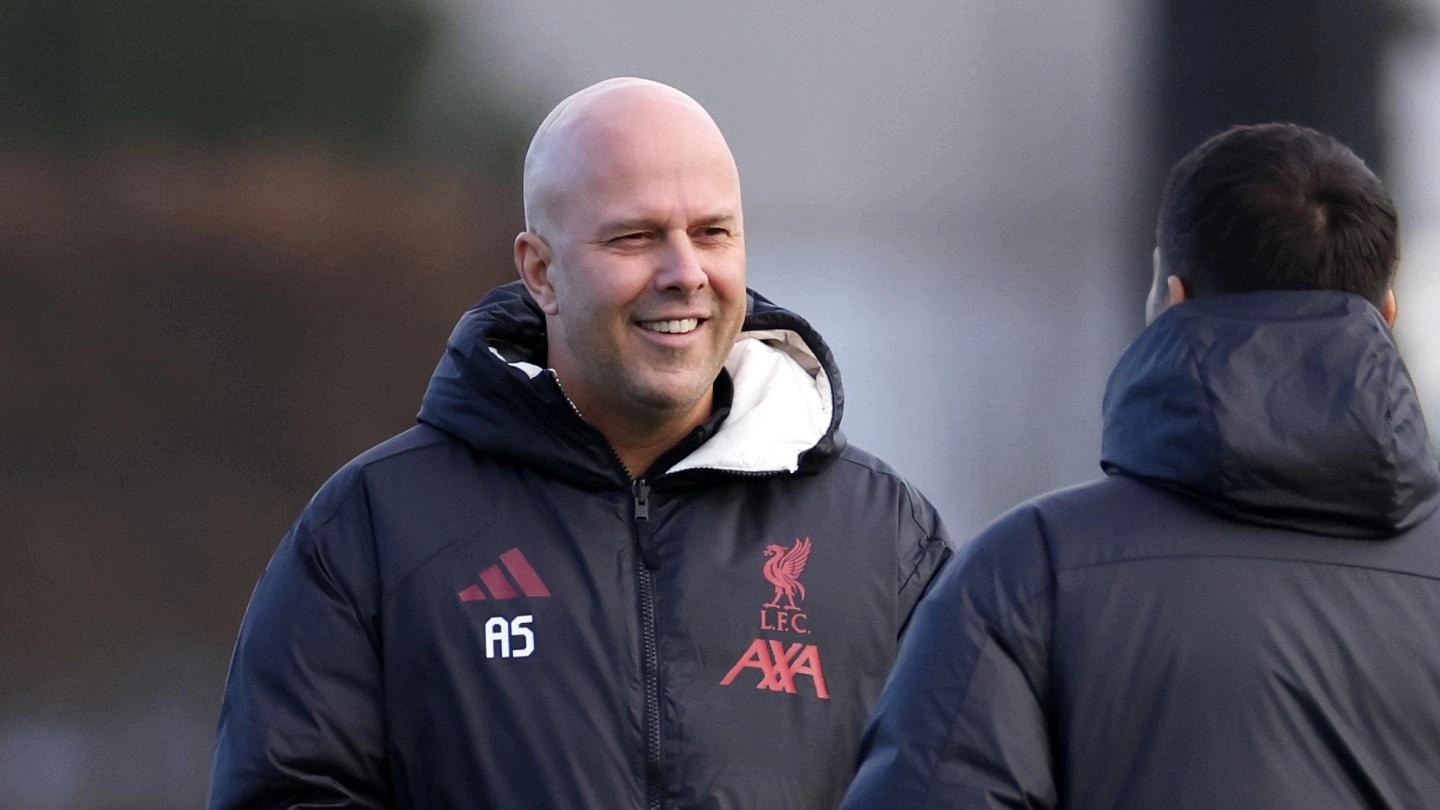
Slot has repeatedly expressed annoyance with Liverpool’s struggles to close out matches effectively this season, particularly when protecting narrow leads or managing games in the final stages. In post-match and pre-match comments around mid-January 2026, the Dutch coach highlighted the importance of smart substitutions for “game management”—such as introducing an extra defender or a stabilizing presence to see out results. He specifically referenced how, in the previous campaign (2024-25, where Liverpool lifted the Premier League), he frequently turned to Endo in those scenarios: “One way of game management is the ability to make substitutions… last year when we were one goal up, a lot of times I brought Wataru Endo in.”
Endo, the 32-year-old Japan international (turning 33 next month), earned the nickname of Liverpool’s “closer” under Slot last term for his role as a late substitute who brought composure, tactical discipline, and experience to shore up the midfield or even shift the shape. Despite limited minutes this season—fewer than 250 overall and just one Premier League start—his absence has been keenly felt. The Reds have dropped points late on in several fixtures, including stoppage-time concessions after Endo came on (e.g., losses or draws where leads evaporated). Slot admitted in late December 2025 that the team has “missed quite a lot” of Endo’s bench experience amid difficulties holding advantages.
A major recent development has amplified Endo’s relevance: Conor Bradley’s season-ending knee injury (confirmed after scans ruled out an ACL but requiring surgery) has left Liverpool with only six fit senior defenders. This has forced Slot into “creative” solutions, including deploying Dominik Szoboszlai at right-back—a position neither the player nor manager favors. In his pre-Burnley press conference (January 16, 2026) and following the FA Cup win over Barnsley (January 12), Slot welcomed Endo back from an ankle injury (sustained in early December’s 3-3 draw at Leeds) and hinted at using the Japanese as a versatile option, potentially even at right-back to provide defensive cover without compromising midfield balance.
Endo’s profile makes him uniquely suited to address Slot’s pain points:
- Defensive nous and game-reading — As the squad’s only natural defensive midfielder, he offers protection that has been lacking when Ryan Gravenberch (preferred in the pivot) has struggled for consistency.
- Versatility — Capable in central midfield, as a No.6, or even makeshift full-back (he’s filled in there before, albeit with mixed reception).
- Experience in high-pressure moments — His calm under pressure and ability to manage tempo have been missed during a campaign of inconsistencies, where Liverpool have drawn too many games they should have won.
- Sub impact — Slot values Endo’s reliability off the bench, noting that fringe players in similar roles don’t always maintain training intensity, but Endo “always shows up” when called upon.
With the January transfer window closing on February 2, 2026, and Liverpool opting against major incomings (focusing on stability amid links to defenders like Nico Schlotterbeck for summer), Endo’s return provides an internal boost. Slot has stressed maximizing the current group, especially ahead of a packed schedule including Premier League clashes (e.g., Burnley on January 17) and potential cup progress.
Fan and pundit reactions have been mixed: some call for more starts given midfield vulnerabilities, while others see his niche role as ideal for the “comfort blanket” Slot craves in tight games. Whether Endo becomes a regular late-game introducer or fills emergency defensive gaps, his availability could prove pivotal in solving the tactical headache of poor game management that has frustrated the manager and contributed to dropped points in a transitional season.
As Liverpool aim to regain momentum post their 11-match unbeaten run (including domestic draws), Endo’s understated return might just be the pragmatic fix Slot needs to turn promising performances into consistent results.
