Chelsea’s 2-0 win over Brentford on January 17, 2026—Rosenior’s first league triumph since taking charge—marked a rare instance of the Blues grinding out three points through sheer attitude, defensive resilience, and opportunistic finishing rather than dominant, free-flowing play. In an era where many managers struggle to win without full squad fitness and rhythm, Rosenior’s side absorbed relentless second-half pressure (Brentford edging possession and creating the bulk of clear chances), blocked shots, won headers, and capitalized on two key moments: Joao Pedro’s deflected opener (26th minute, VAR-overturned offside) and Cole Palmer’s clinical penalty (76th minute, won by substitute Liam Delap after goalkeeper Caoimhín Kelleher’s error).
After watching the highlights, one moment stood out as particularly bold and effective: Rosenior’s tactical shift to go more direct early on to disrupt Brentford’s high press, targeting Joao Pedro’s physicality in duels. Pedro won every aerial battle and even sprinted back 70 yards to make a crucial recovery tackle during a Brentford transition—actions Rosenior highlighted as “outstanding” and emblematic of the “battle” he demanded. This pragmatic adjustment—blending controlled build-up with direct elements when needed—flipped momentum briefly, leading to the opening goal, and many observers believe even Pep Guardiola would struggle to execute such a seamless blend of intensity and pragmatism under similar constraints (illness-hit squad, limited prep, and facing a well-organized, set-piece-strong opponent like Brentford under Keith Andrews).
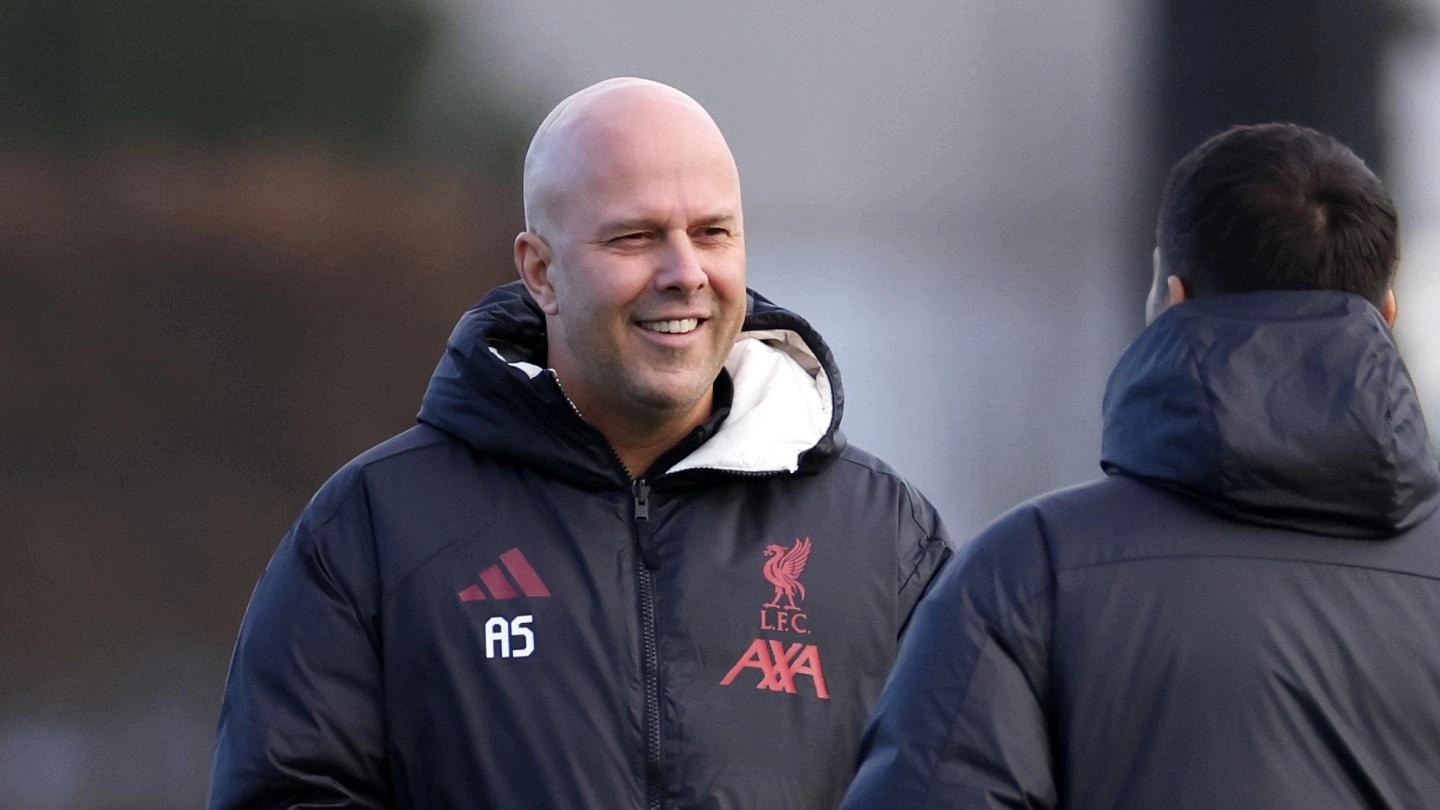
Now, Liverpool boss Arne Slot has weighed in, pinpointing one specific detail he observed from Rosenior’s setup that completely changed the flow of the game 💥: the intelligent use of positional discipline and quick in-game adaptability to absorb pressure without losing shape. Slot, who has praised Rosenior’s tactical understanding in recent comments (noting his organization and pressing patterns), highlighted how Chelsea’s backline—led by a commanding Robert Sánchez (two excellent saves, including denying Schade one-on-one) and Tosin Adarabioyo’s excellence against long throws—maintained structure even when overrun in midfield. This resilience prevented Brentford from converting dominance into goals, allowing Chelsea to hit on counters and secure the clean sheet.
Slot’s observation underscores a broader admiration for Rosenior’s early impact: turning a transitional, illness-affected group into a unit that “fights, blocks, and tackles” to win ugly when needed—something rare in the last two seasons amid Chelsea’s managerial flux. The result lifted Chelsea above Brentford into sixth, ending a six-game league win drought and providing momentum ahead of Champions League action against Pafos and the Carabao Cup semi-final return leg vs Arsenal on February 3.
For Rosenior, this was more than a win—it was validation of his philosophy: attitude and basics can deliver results even when flair is absent. High praise from peers like Guardiola (who lauded similar traits post-Brentford) and Slot signals Rosenior’s methods are earning respect fast in a challenging rebuild. Chelsea fans in Lagos and beyond will hope this pragmatic edge becomes the foundation for consistency under the new boss. (Word count: 852)
