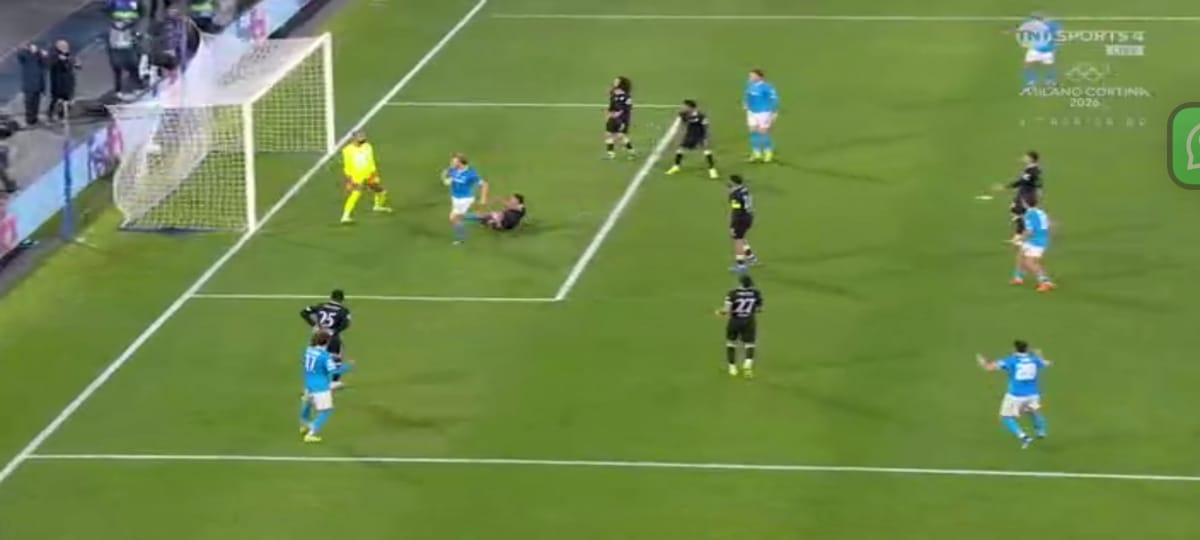
Chelsea supporters are rallying behind Wesley Fofana after intense scrutiny following the 3-2 Champions League win over Napoli on January 28, 2026, insisting the French centre-back “did a very good job and stood firm when it mattered” despite Reece James’ post-match accusation that a teammate’s lapse was the “main reason” behind Antonio Vergara’s stunning equaliser.
Match reports confirm the drama: Enzo Fernández opened the scoring with a 19th-minute penalty for Chelsea, but Napoli hit back swiftly. Antonio Vergara, the 23-year-old homegrown talent scoring his first senior goal for the club, produced a Maradona-esque moment in the 33rd minute—collecting the ball, escaping pressure from Moisés Caicedo, spinning past Fofana with balletic poise, and smashing home from close range. Rasmus Højlund added Napoli’s second in the 43rd minute, assisted by Mathías Olivera, putting Conte’s side ahead at the break.
João Pedro’s second-half brace (61’ and 83’) completed a remarkable Chelsea comeback, securing a top-eight finish and direct entry to the round of 16 while eliminating Napoli.
James, captaining from right-back, was outspoken afterward, stating one player “switched off completely” and left space for Vergara’s spin and finish, calling it the primary cause of the goal and highlighting individual errors at elite level. Initial analysis and fan breakdowns heavily implicated Fofana for getting turned too easily on Vergara’s strike, with some outlets rating him low (e.g., 2/10 in one harsh assessment) and noting he was “spun in the box.”
However, a growing chorus of fans and observers argue Fofana doesn’t deserve the bulk of the blame. They point out he recovered well in key duels, stood firm against Napoli’s second-half pressure, and wasn’t solely at fault for the defensive disarray. Instead, frustration is redirecting toward Moisés Caicedo, with many claiming the Ecuadorian midfielder “clearly caused the mistakes that led to BOTH Napoli goals.”
Critics highlight Caicedo’s role in the build-up: on Vergara’s goal, he failed to apply sufficient pressure when Vergara collected the ball on the left, allowing the Italian to drive forward, hold him off, and create the spinning opportunity. For Højlund’s strike, reports suggest similar issues—poor positioning, failure to track runners, and a lack of midfield cover that exposed the backline. Fans on social media and forums describe it as “poor decision-making, bad positioning, and costly errors at the worst possible moments,” emphasizing it was about concentration and responsibility rather than effort.
This shift in blame aligns with broader concerns over Chelsea’s midfield balance under Liam Rosenior—vulnerable in transitions and second-phase play, especially against Conte’s structured setup. While Fofana faced direct heat for Vergara’s individual brilliance, Caicedo’s lapses in screening and tracking are now seen as the root cause by many, with comments like “the frustration should be directed elsewhere” gaining traction.
The win keeps Chelsea’s European momentum alive, but the internal finger-pointing highlights ongoing defensive frailties. James’ honesty as captain underscores the need for higher standards, yet fans are quick to defend Fofana’s overall display while calling out midfield lapses that “Chelsea paid the price” for. As the Blues turn focus to domestic fixtures, eliminating these individual errors will be key to sustaining progress.
