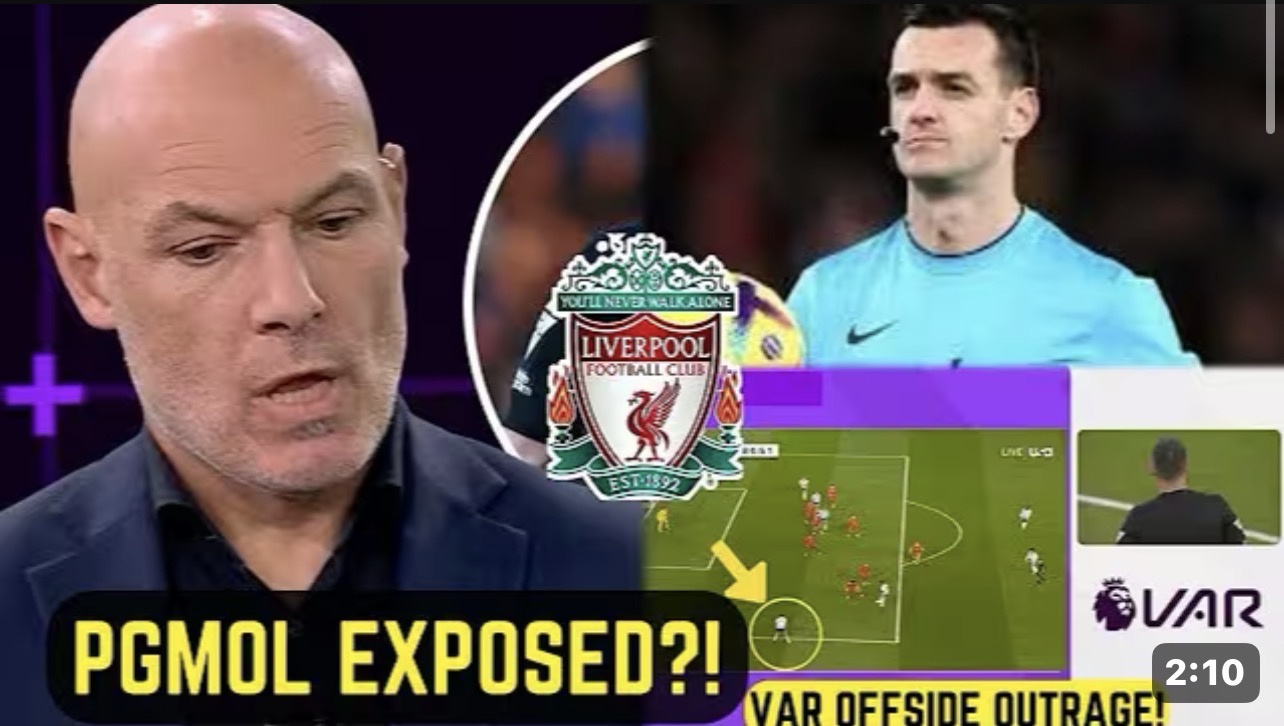
The real story? PGMOL and the officials are under fire for a string of bizarre decisions, but the match ended Liverpool 3-0 Brighton in the FA Cup fourth round on February 14, 2026. No defeat for the Reds — they cruised through to the fifth round with goals from Curtis Jones (42’), Dominik Szoboszlai (56’), and Mohamed Salah’s penalty (68’).
So where does this “85th-minute VAR robbery” narrative come from? Social media frenzy and clickbait headlines have twisted the ongoing refereeing controversies surrounding the game into claims of a late, game-changing overturn that cost Liverpool the match. In reality, the late drama centered on Rio Ngumoha’s disallowed “goal” in the closing stages (around the 80-85 minute mark in many fan recollections and clips). The 17-year-old academy winger curled home what looked like a stunning fourth goal after a slick counter involving Cody Gakpo — only for the assistant referee’s flag to deny him.
Replays from TNT Sports and fan-shared freeze-frames showed Ngumoha clearly onside when the pass was played, with perfect alignment to the pitch lines and grass patterns. But here’s the kicker: VAR was not in operation for this fourth-round tie (technology only activates from the fifth round onward in the FA Cup). The on-field call stood unchallenged, robbing the teenager of a dream Anfield milestone and fueling accusations of systemic incompetence from PGMOL (Professional Game Match Officials Limited).
Fans erupted on X, with posts screaming “PGMOL exposed!” and “Liverpool robbed in the 85th minute!” — many conflating the lack of VAR with an active “VAR denial” or late intervention that never happened. Viral clips zoomed in on the offside call, with captions like “VAR should’ve saved this but they let it stand? Robbery!” even though no VAR check occurred. The absence of the technology became the villain, with supporters arguing it exposed shocking standards when officials get it wrong without backup.
Graeme Souness led the charge again, slamming the decision as “incompetence” and questioning why assistants aren’t positioned better or trained sharper in big ties. Arne Slot, in his post-match presser, noted the call was wrong but shrugged it off since Liverpool won comfortably anyway: “He was onside, but we still won 3-0 so no one talks about it now.” Slot even joked about enjoying “no VAR” for the raw celebration moments — though Ngumoha’s non-goal soured that for many.
Brighton boss Fabian Hürzeler, meanwhile, fumed over the actual penalty awarded to Liverpool (the one Salah scored), calling it a “poor” and “bad decision” after claiming Mohamed went down too easily under contact from Pascal Gross. That spot-kick shifted momentum decisively, but no late VAR drama overturned anything — Liverpool dominated throughout.
The “shock defeat” angle? Pure fabrication amplified by rage-bait posts. Liverpool never trailed, never lost — they progressed convincingly. But the Ngumoha incident, combined with earlier tight calls (like a correctly disallowed Gakpo header), has kept the refereeing storm raging. PGMOL faces renewed scrutiny over inconsistent application of VAR across competitions, patchy assistant positioning, and why early FA Cup rounds remain tech-free despite high stakes.
Supporters are flooding timelines with demands: “Introduce VAR in round four!” “PGMOL out!” and “Justice for Rio!” The Reds march on in the cup, but this “exposed” narrative has turned a routine win into another chapter in the endless officiating debate. Was it robbery? Incompetence, yes. A defeat? Absolutely not. The scoreline stands 3-0 — but the anger is very real.
