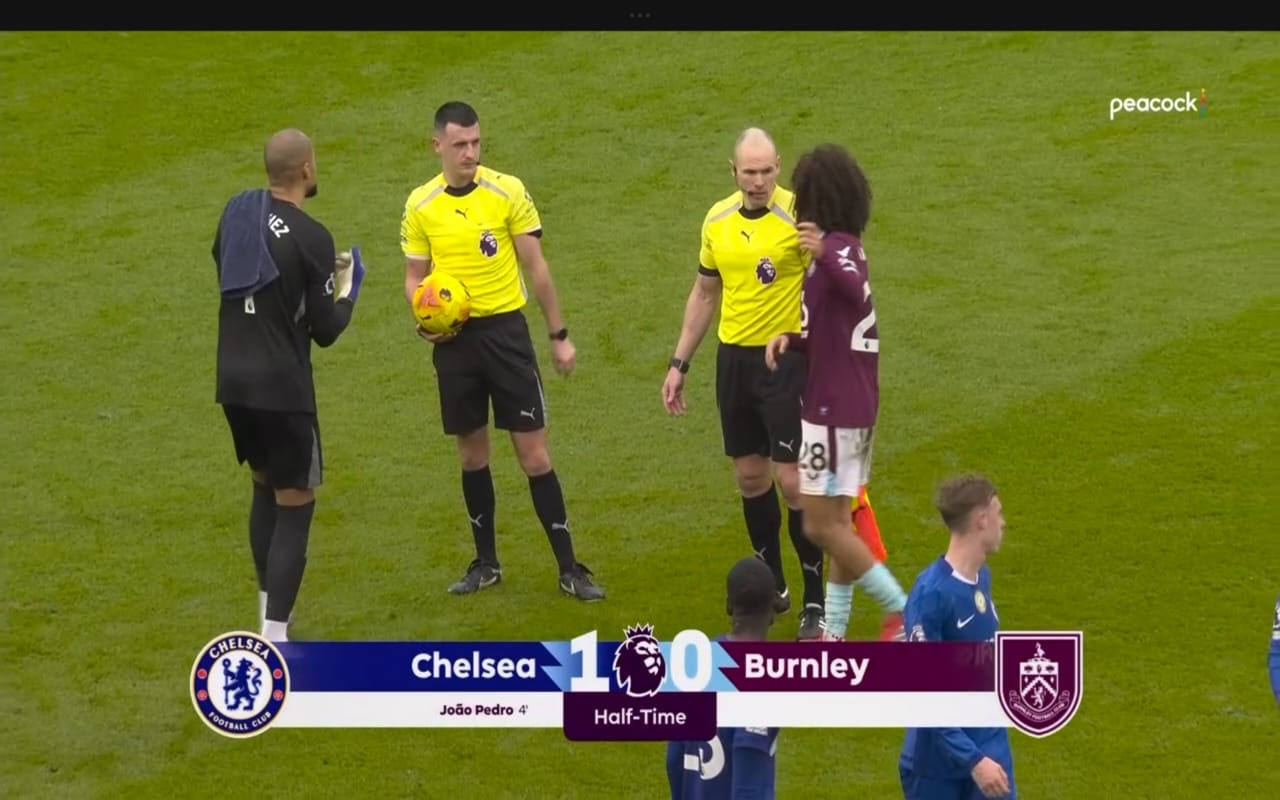
With Chelsea leading 1-0 thanks to João Pedro’s early fourth-minute strike (assisted by Pedro Neto), the half had already been punctuated by contentious decisions. The most glaring came in the 7th minute when Smith awarded Burnley a corner after deeming Sánchez had held the ball for over eight seconds under the new IFAB rule introduced for the 2025/26 season. Replays and fan-timed clips suggested the hold was closer to six or seven seconds at most, with no visible countdown from the referee—required in the guidance to warn keepers in the final five seconds. That call set the tone for a half where Chelsea felt momentum was repeatedly disrupted by inconsistent officiating.
As the players trudged toward the tunnel at the break, cameras captured Sánchez marching straight toward Smith. The Spanish keeper, arms gesturing emphatically and face flushed with anger, engaged in a pointed, animated exchange lasting nearly 30 seconds. While audio wasn’t picked up on broadcast, sources close to the club and post-match comments from pundits painted a clear picture: Sánchez was furious over what he saw as a pattern of harsh, one-sided calls that had frustrated the home side throughout the opening 45 minutes.
Post-match, Sánchez addressed the incident briefly in his Sky Sports interview, confirming the confrontation stemmed from accumulated grievances. “I told him the truth—straight up,” he said. “That corner wasn’t even close to eight seconds; I’ve seen the clips. And there were other moments where we were getting pulled up for nothing while Burnley got away with things. As a keeper, you expect protection when you’ve made a good save, not to be punished unfairly. It kills the rhythm. I couldn’t stay quiet anymore; someone had to say it.”
The outburst came amid a broader sense of injustice felt by the Chelsea players. Earlier in the half, Reece James had already confronted Smith over a questionable foul call that halted a promising counter (as previously reported). Combined with the eight-second ruling, it left the Blues bench and supporters seething. Social media exploded with clips of Sánchez’s tunnel exchange, many labeling it “fully justified” and pointing to “bias” or “poor game management” from the relatively inexperienced Premier League referee Smith—who was handling one of his infrequent top-flight assignments this term.
Fans online were vocal: “When even the goalkeeper snaps at half-time, you know the ref’s lost control,” one popular post read. Others highlighted how the decisions created “unnecessary drama” and put Chelsea under needless pressure, especially as they dominated possession but struggled to build sustained attacks. Neutral observers noted the lack of consistency—Sánchez had been allowed longer holds in prior games without sanction, yet here the whistle came swiftly and without the mandated visual countdown.
Pundits weighed in heavily during halftime and post-match analysis. Former referee Dermot Gallagher commented: “The eight-second rule is new and strict, but refs must follow protocol. No countdown shown means it’s harsh to jump straight to a corner. If Sánchez felt short-changed, especially after a solid defensive action, his reaction is understandable—though he risks a booking for dissent. Game management was off today; small calls snowballed into big frustration.”
The second half brought more controversy with Wesley Fofana’s 72nd-minute red card for a second yellow (deemed soft by many), reducing Chelsea to ten men. Burnley capitalized late, with Zian Flemming heading home a 93rd-minute equalizer from a James Ward-Prowse corner to snatch a valuable point in their relegation battle.
Sánchez’s half-time words encapsulated the wider sentiment: the officiating had disrupted flow, favored questionable calls against the hosts, and heightened tension unnecessarily. Chelsea held on for much of the game despite the numerical disadvantage, but the draw felt like two points dropped amid top-four aspirations. For Burnley, it was a gritty, morale-boosting result.
As the Premier League continues to grapple with the new goalkeeper rule and refereeing standards, incidents like Sánchez’s confrontation serve as a stark reminder: when players from the usually composed backline lose their cool, something is seriously amiss with how the game was handled. The debate over bias, consistency, and the impact on match rhythm rages on—today’s Stamford Bridge clash provided yet another chapter.
