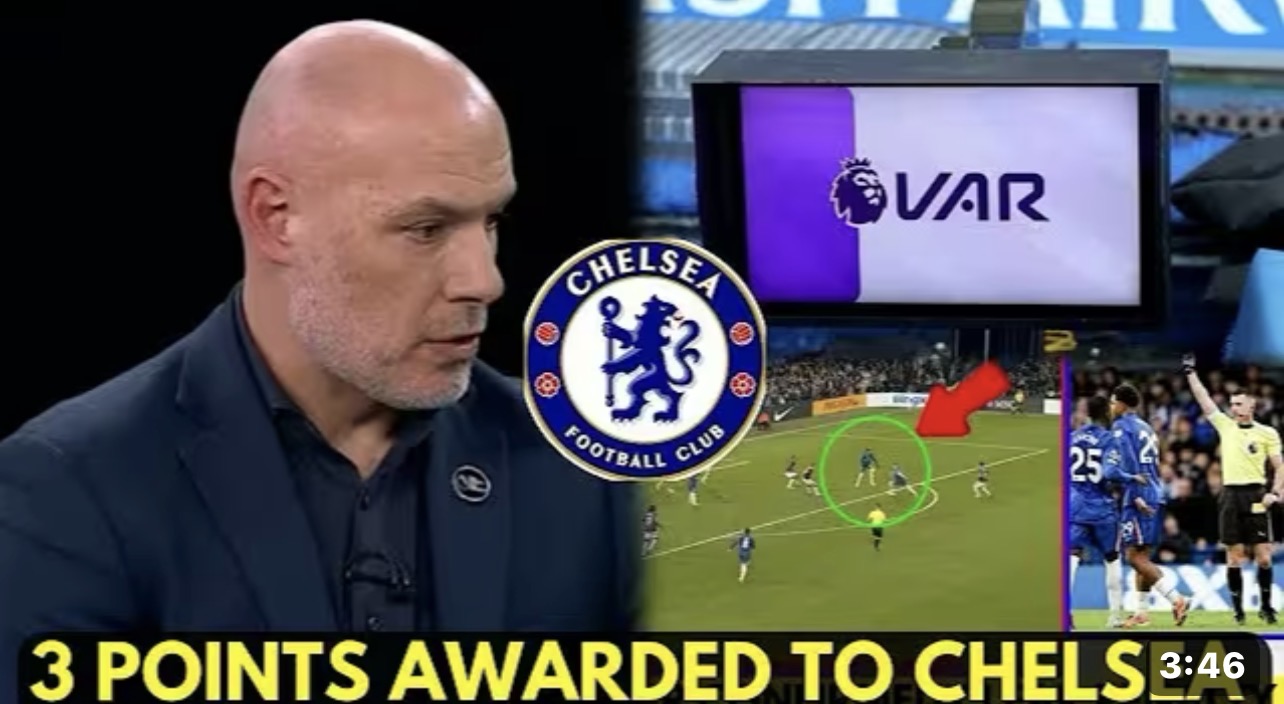
The Blues are furious after officials confirmed that referee Lewis Smith and VAR Michael Salisbury missed a clear penalty in the second half. Cole Palmer was challenged inside the Burnley box by defender Joe Worrall, with replays showing significant contact that should have resulted in a spot-kick and likely a yellow card. Instead, play was waved on, and the decision was upheld on review despite later acknowledgment that it constituted a reckless foul. Chelsea believe this mistake, combined with other disputed calls in the match (including the eight-second goalkeeper rule application and the handball oversight on João Pedro’s opener), directly prevented them from securing a win and contributed to Burnley’s late equalizer after Wesley Fofana’s red card.
Chelsea have lodged a formal complaint with the Premier League and PGMOL, demanding retrospective awarding of all three points. Club sources describe the stance as “uncompromising,” insisting the cumulative errors rendered the result unfair and that justice requires the table to reflect what should have been a Chelsea victory. Manager Liam Rosenior has remained measured in public comments, focusing on on-pitch performance, but the club’s internal position is clear: the credibility of refereeing standards this season is under serious question, especially given Chelsea’s pattern of dropped points from winning positions at home.
Howard Webb, who ordered a full internal review immediately after the game, is said to have been taken aback by the strength and speed of Chelsea’s escalation. Insiders report that while Webb expected pushback, the formal demand for points reversal has placed unprecedented pressure on PGMOL to respond decisively. The situation has prompted urgent discussions at the highest levels about how to handle such appeals without undermining the finality of results.
Social media remains ablaze. Chelsea supporters are united in outrage, trending hashtags demanding accountability and sharing clips of the Palmer incident with captions like “Admitted error, yet no points? Robbery.” Rival fans are deeply divided: some from mid-table and relegation sides argue that changing results post-match sets a dangerous precedent and could lead to endless disputes, while others sympathize with Chelsea’s frustration over repeated VAR inconsistencies. Neutral observers warn that if points are awarded retrospectively, it could open the floodgates for similar claims in future matches.
The scandal shows no signs of dying down. With Chelsea still in the top-four mix but vulnerable after recent home draws, the pressure on authorities is immense. PGMOL faces calls for greater transparency, clearer intervention guidelines, and potentially sanctions beyond the already-reported 10-match ban on the VAR official (if confirmed). Whether Chelsea’s demand succeeds or is rejected, this episode has intensified the broader debate on VAR reliability, refereeing consistency, and trust in English football’s officiating system.
The coming days will reveal whether justice is served through points or whether the result stands—either way, the Stamford Bridge chaos has become one of the defining controversies of the season.
