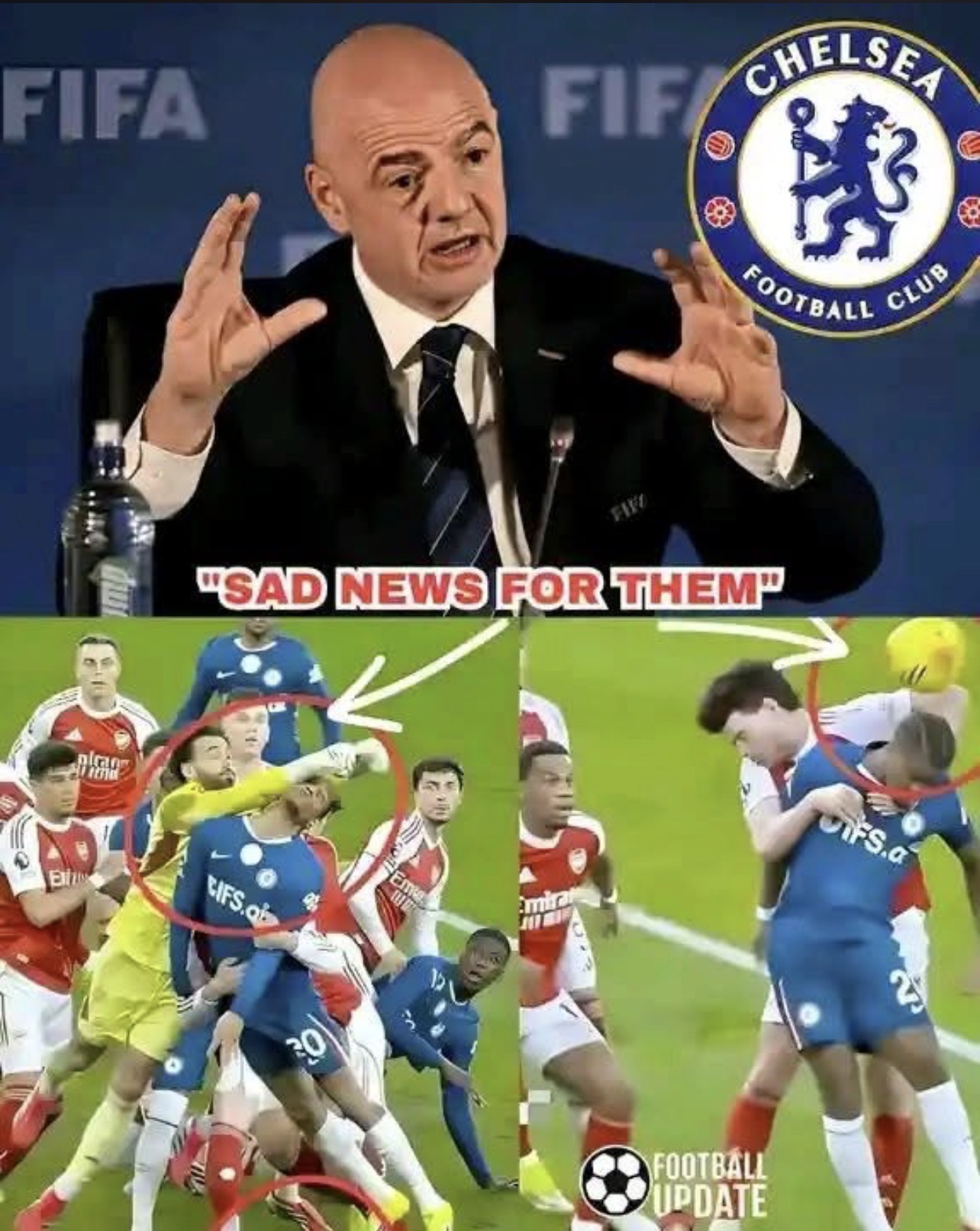
The Professional Game Match Officials Limited (PGMOL), in coordination with FIFA’s oversight on global standards, announced on Monday, March 2, that referee Michael Oliver and the VAR team (including lead VAR official) have been stood down from duties for the foreseeable future. Reports from reliable sources, including ESPN, The Athletic, and aggregated football news outlets, indicate the punishment includes an immediate suspension from Premier League matches, pending a full review of the officiating protocols. This rare intervention stems from the 78th-minute incident where Chelsea forward Nicolas Jackson was denied a clear penalty after Arsenal goalkeeper David Raya handled the ball inside the box — a mistake the PGMOL had already admitted as a “clear and obvious error” in their initial statement.
The backlash had reached fever pitch overnight, with Chelsea supporters, pundits like Gary Neville and Jamie Carragher, and even Arsenal legend Thierry Henry (who criticized VAR for a separate non-call in the same game) calling for accountability. Social media erupted with demands for consequences, hashtags trending globally, and calls for systemic reform. FIFA’s involvement, sources say, was prompted by the high-profile nature of the London derby, its impact on the title race (Arsenal remain five points clear at the top), and the cumulative scrutiny on English refereeing this season.
Supporters have reacted with a mix of vindication and ongoing frustration. Chelsea fans hailed it as “justice finally served,” posting messages like “About time — real consequences for ruining games” and “Rare moment of accountability in modern football. PGMOL can’t hide anymore.” Many emphasized that while the punishment doesn’t reverse the result, it sends a strong message: errors in high-stakes matches will no longer go unpunished. Neutral observers and some Arsenal supporters acknowledged the step forward, with comments such as “Good on FIFA for acting — VAR needs this pressure to improve.”
Pundits have described the action as a potential turning point. Sky Sports analysts noted that while suspensions are not uncommon for individual errors, FIFA’s direct involvement signals heightened global oversight on Premier League officiating. Howard Webb, PGMOL chief, is expected to address the matter in an upcoming briefing, with promises of enhanced training, clearer handball guidelines, and greater transparency (including potential audio releases from VAR rooms).
Chelsea boss Liam Rosenior, whose side now sits fifth amid a top-four push, commented briefly: “We welcome any steps toward better decisions and fairness. Football needs trust in the officials.” The defeat, compounded by Robert Sánchez’s early blunder, Pedro Neto’s red card, and Gyökeres’ viral run past four defenders, has intensified internal pressure — but this external accountability offers a glimmer of hope for reform.
The incident has reignited a global debate about VAR standards, with discussions turning to whether this will lead to lasting changes: quicker interventions, reduced subjectivity, and real consequences for repeated failures. For now, supporters on both sides — and across the Premier League — are watching closely, calling it a rare win for accountability in a season defined by controversy.
As the fallout continues, one thing is clear: this time, there are real consequences — and the conversation is far from over.

1 comment
Couldn’t believe what I saw in that game let a game be won fairly