The loss, which saw Danny Welbeck score twice for the Seagulls, has intensified scrutiny on Slot’s tenure and left Liverpool’s push for a top-four finish looking increasingly precarious.
Brighton struck first in the 14th minute when Welbeck capitalized on a defensive lapse to slot home past Alisson Becker. Liverpool responded quickly, with Joe Gomez bundling in an equalizer from close range following a set-piece scramble. However, the game turned decisively in the 56th minute as Welbeck netted his second of the afternoon, latching onto a precise through ball from Jan Paul van Hecke and finishing coolly beyond the advancing keeper. Despite late pressure from the visitors—including a flurry of corners and half-chances—the Reds could not find an equalizer, extending their winless run in the Premier League to three matches.
Post-match, Slot acknowledged the frustration in his press conference: “We dominated large periods but lacked that clinical edge in the final third. Brighton were clinical when it mattered, and we paid the price for individual errors. The players are disappointed, as am I—we need to respond quickly.”
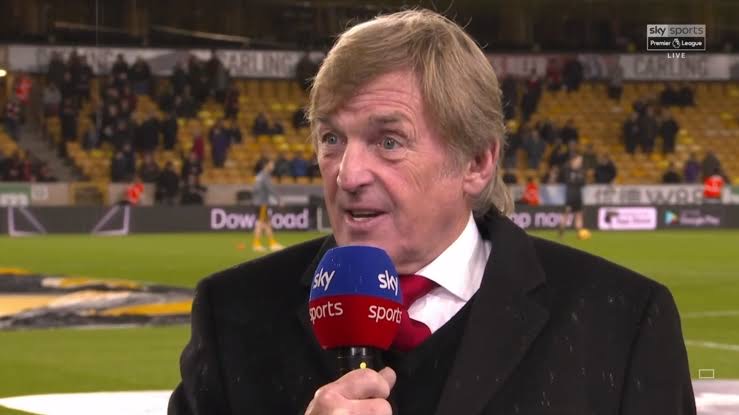
But the real fireworks came later when Kenny Dalglish, speaking in a wide-ranging interview with a leading Merseyside media outlet, did not hold back. The iconic former player and manager revealed he had personally warned Slot ahead of the fixture not to start Curtis Jones in central midfield. Dalglish, drawing on his deep knowledge of the squad and the demands of away games against progressive sides like Brighton, argued that Jones—still working his way back to full sharpness after a recent injury layoff—was not the right fit for the tactical setup against a high-pressing team.
“I spoke to Arne before the game and told him straight: don’t start Curtis in that role today,” Dalglish reportedly said. “The lad’s quality, no doubt, but he’s not quite there yet physically for that intensity on the road. We needed more legs, more bite in midfield to match Brighton’s energy. I suggested alternatives—perhaps shifting someone with more mobility or even a tactical tweak—but it wasn’t taken on board. That decision, in my view, cost us the game. Brighton ran through the middle too easily at times, and we looked vulnerable.”
Dalglish, a figure revered at Anfield for his leadership during two spells as manager and his contributions as a player, emphasized that his comments came from a place of concern rather than malice. “I’m not here to cause trouble—I’ve always backed the club and the people in charge. But when I see something that could have been avoided, especially after we’ve dropped points in similar scenarios this season, I have to speak up. Arne’s doing a tough job following Jürgen [Klopp], but these are the moments where experience counts.”
The revelation has sent shockwaves through the Liverpool fanbase. On social media platforms and fan forums, debate is raging. Many supporters side with Dalglish, pointing to Jones’ performance as underwhelming—he completed only 78% of his passes and was caught out positionally leading to Brighton’s second goal. Others defend Slot, arguing that squad rotation and trusting in youth are part of building for the long term, and that singling out one player ignores broader issues like fatigue from a congested schedule, including recent Champions League ties.
Pundits have weighed in heavily. Jamie Carragher, on Sky Sports’ Monday Night Football preview, noted: “Kenny doesn’t say things lightly. If he’s going public like this, it shows real worry behind the scenes. Slot’s style is possession-based and patient, but against teams like Brighton who counter ruthlessly, you need that midfield steel. Ignoring advice from someone like King Kenny? That’s bold—or risky.”
Former Liverpool midfielder Danny Murphy added on BBC Radio 5 Live: “It’s unprecedented for a club legend to call out the current manager so directly. But Dalglish has earned that right through decades of service. The question now is whether Slot listens or doubles down. Pressure is mounting after this result—Liverpool sit fifth, with Manchester United and others breathing down their necks for those Champions League spots.”
Slot himself has yet to respond publicly to Dalglish’s comments, though sources close to the club suggest internal discussions are ongoing. The Dutchman, in his first full season at Anfield, has overseen a transitional period marked by both promise and inconsistency. Wins against stronger sides have been offset by dropped points against mid-table teams, fueling narratives of tactical naivety away from home.
For fans, the defeat feels like another gut punch in a season of what-ifs. Liverpool created enough chances to win the game—xG figures showed them edging the contest—but clinical finishing deserted them once more. Welbeck’s brace, at 35 years old, served as a reminder of how unforgiving the Premier League can be.
As Liverpool prepare for their next fixture, the fallout from Dalglish’s intervention will linger. Will it spark a reaction on the pitch, or deepen the growing sense of unease? One thing is certain: in the high-stakes world of elite football management, even legends’ words carry weight—and Arne Slot now faces questions not just about results, but about how he handles advice from the very heart of the club’s history.
The coming weeks will tell whether this moment becomes a turning point or another chapter in a frustrating campaign. For now, Anfield waits—and watches—intently.
