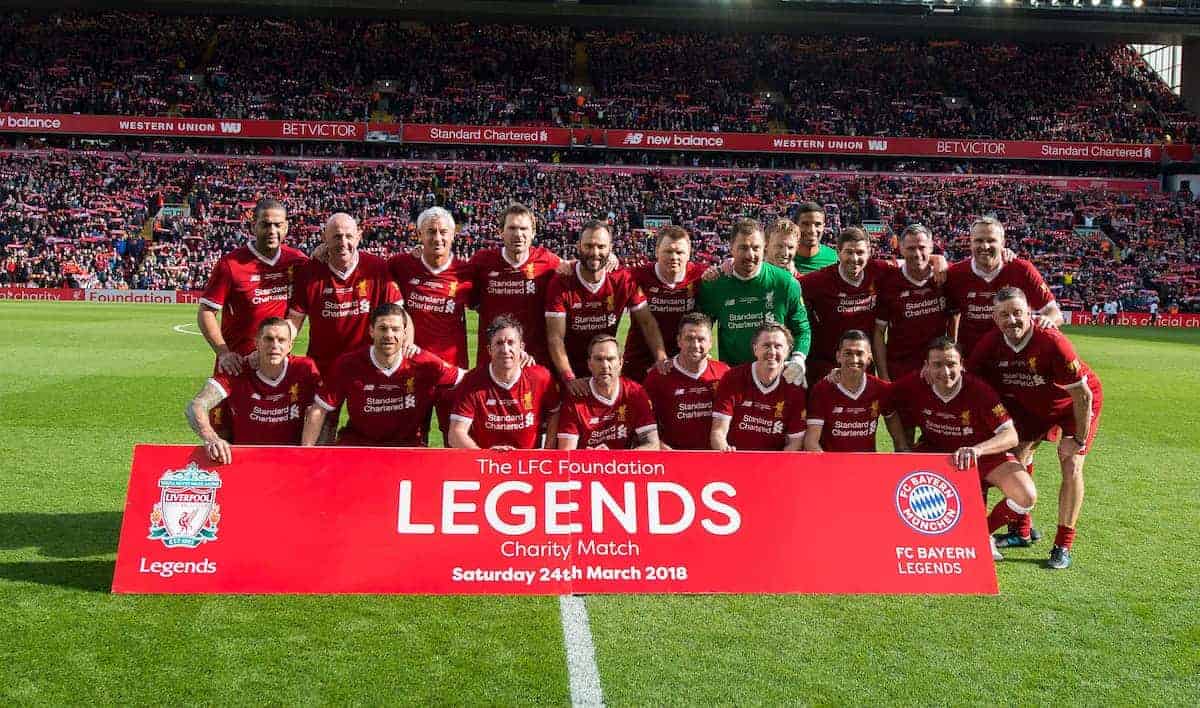
The 62-year-old, widely celebrated for his dazzling performances on the wing for Liverpool during their dominant era in the late 1980s and early 1990s, as well as his significant contributions to the England national team, shared details that have sent ripples of concern and support through the football community. Barnes, affectionately known as “Digger” by supporters, earned 79 caps for England and was a key part of the Three Lions’ setup in major tournaments, including the 1990 World Cup where his creativity and skill shone brightly. At Liverpool, he made over 300 appearances, scoring crucial goals and forming part of legendary teams under managers like Kenny Dalglish, helping secure multiple league titles and FA Cups. His elegant style, blistering pace, and precise crossing made him a fan favorite, and his legacy at Anfield remains etched in the club’s rich history.01
The revelation comes at a time when several other prominent football personalities have also faced similar health challenges, underscoring a growing conversation around prostate cancer among men, particularly those in later stages of life or with family histories. Barnes explained that the diagnosis was prompted by encouragement from his children, who urged him to undergo routine checks. Prostate cancer is one of the most common cancers affecting men, with statistics from health organizations indicating that one in eight men in the UK will be diagnosed in their lifetime. For Black men, including those of Jamaican descent like Barnes, the risk is notably higher—approximately one in four—making early detection through PSA testing and consultations with doctors vital. In his interview with Times Radio, Barnes spoke candidly about the experience, noting that he had undergone surgery to remove his prostate and was receiving follow-up treatment. He emphasized that while the journey has been challenging, he feels positive about his prognosis and wants to use his platform to break the silence surrounding the disease.311
“ I’ve had prostate cancer, I’ve had my prostate out, not many people know and it’s a bit of a taboo subject because we support women with breast cancer and it’s not even an issue,” Barnes said. “Whereas with men, the government say, yeah, prostate cancer, we need more awareness, we need people to come forward and in black men it’s more prevalent. So it’s a good thing that that has come out.” His words carry weight, not just because of his status as a football legend but also as a father, husband, and public figure who has always been known for his thoughtful and articulate views on social issues. Throughout his career, Barnes was more than just a player; he was an advocate, speaking out against racism in football during an era when it was rampant on the terraces and pitches. His resilience on and off the field has defined him, and this latest chapter appears to be another testament to that strength.5
Fans and former teammates have flooded social media and club channels with messages of support. Liverpool Football Club issued a statement wishing Barnes well, recalling his immense contributions to the club’s success. Icons like Ian Rush and John Aldridge, who played alongside him, expressed their solidarity, reminding everyone of the unbreakable bond within the Liverpool family. England football authorities also acknowledged the news, praising Barnes for his bravery in sharing his story publicly. This comes amid similar disclosures from other legends connected to Liverpool, including reports involving Kenny Dalglish and Kevin Keegan, creating a wave of reflection across the sport about health priorities for retired athletes who often pushed their bodies to extremes during their playing days.13
Barnes’ career was marked by brilliance and adversity. Born in Jamaica in 1963, he moved to England as a child and rose through the ranks at Watford before his record transfer to Liverpool in 1987. There, he dazzled in the famous red shirt, contributing to the 1987-88 league title win with his mesmerizing dribbles and assists. He later played for Newcastle United and Charlton Athletic before transitioning into management and punditry. Post-retirement, he has remained active in media, coaching youth teams, and charity work. His battle with prostate cancer adds a deeply personal layer to his public persona. Medical experts recommend that men over 50, or earlier for those at higher risk, discuss screening options with their GPs. Symptoms can include difficulties with urination, blood in urine or semen, and persistent back or pelvic pain, though many cases are asymptomatic in early stages. Treatment options vary from active surveillance for slow-growing cancers to surgery, radiation, hormone therapy, or chemotherapy, depending on the stage and individual health factors.
In sharing his diagnosis, Barnes hopes to inspire others to prioritize their health without stigma. “Men don’t talk enough,” he implied in his reflections, echoing sentiments from past campaigns by organizations like Prostate Cancer UK. The charity has long worked with football figures to promote awareness, knowing that early intervention dramatically improves survival rates—over 90% when caught localized. Barnes’ story serves as a powerful reminder that even the fittest athletes are not immune to such conditions. His family has been a pillar of support, and he credits them with pushing him toward medical attention at the right time. As he continues treatment, which may include monitoring and additional therapies to ensure no recurrence, the football world stands united behind him. Supporters are organizing gestures of solidarity, from banner displays at matches to social media campaigns using hashtags like #GetChecked and #BarnesStrong.
Beyond the immediate health narrative, this news prompts broader discussions on player welfare, the long-term effects of a high-intensity sport, and the mental health aspects of facing illness after a career defined by physical prowess. Barnes has always been eloquent, and his willingness to discuss what many consider private demonstrates leadership that extends far beyond the pitch. As the football season progresses, his update will likely resonate during pre-match tributes and fan forums. Liverpool’s next home game at Anfield could see moments of applause dedicated to him and others battling similar issues. For Barnes, the focus now is on recovery, spending time with loved ones, and continuing his advocacy work. He remains optimistic, stating that everything is progressing well and he is determined to emerge stronger.
This announcement, while concerning, also brings hope and education. Prostate cancer claims thousands of lives annually, but with greater awareness and proactive health measures, outcomes improve significantly. John Barnes’ courage in revealing his ongoing treatment not only humanizes a superstar but also potentially saves lives by encouraging men everywhere to seek medical advice. The football community, known for its passion and loyalty, will undoubtedly rally around one of its legends during this personal challenge, just as Barnes inspired millions with his performances in the past. His journey reminds us that true strength lies not only in athletic achievements but in vulnerability and the resolve to face life’s toughest battles head-on. As updates on his condition continue to emerge, fans will be watching closely, sending positive thoughts and YNWA messages his way, reinforcing the enduring spirit of the beautiful game and the bonds it creates.
